Fun Facts About Pitcairn Island: 7 Surprising Things About the Remote Island of the Bounty Mutineers
- Published on
- Author
- Reading time
- 7 mins
Pitcairn Island is one of the Pacific’s most remote inhabited places, a small volcanic island steeped in maritime legend, Polynesian heritage and the enduring story of the Bounty mutineers. Set far from major shipping routes and surrounded by immense stretches of ocean, Pitcairn is a destination that feels almost improbable: tiny in size, enormous in history.
For travelers, the island’s appeal lies in its rarity. Few people ever reach Pitcairn, and those who do encounter a place where cliffs, gardens, ocean views and family histories all connect back to one of the most famous mutinies in naval history. Yet Pitcairn is not only a story of the past. It is a living community with its own language, customs and rhythms shaped by isolation.
Here are seven interesting facts about Pitcairn Island that reveal why this remote Pacific outpost is one of the world’s most unusual expedition destinations.
1. Pitcairn Was Settled by the Bounty Mutineers
Between heaven and earth
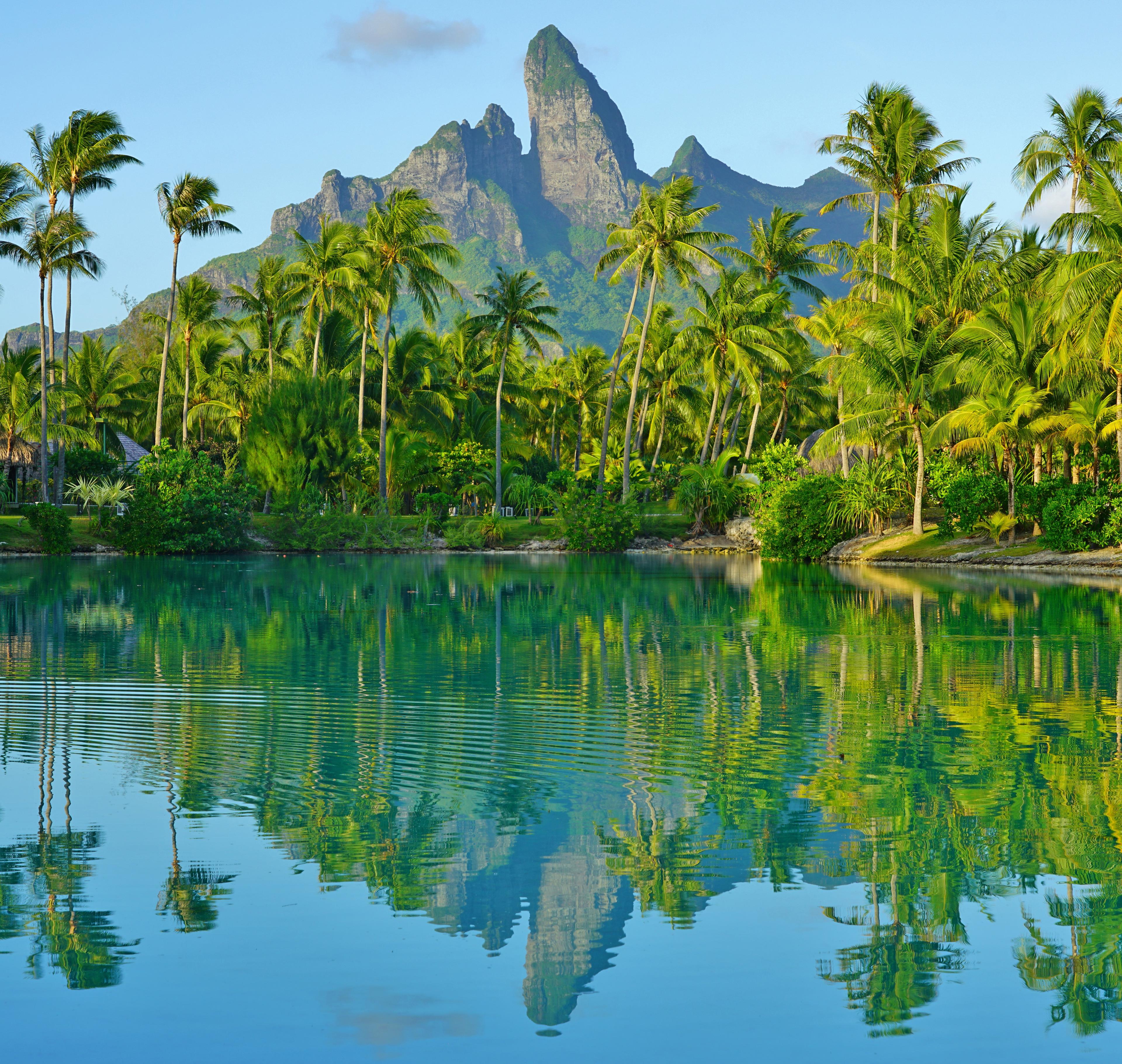
Turquoise seas, white powder beaches, kaleidoscopic marine life and lush hinterland, French Polynesia and the Pacific Islands begs discovery.
Pitcairn Island is best known for its connection to HMAV Bounty. In 1790, a group of mutineers led by Fletcher Christian arrived on the island with Tahitian companions after seizing the ship from Captain William Bligh. They chose Pitcairn because of its isolation and because its position had been incorrectly charted, making it harder for naval authorities to find them.
After landing, the settlers burned the Bounty in what is now Bounty Bay, both to avoid detection and to commit themselves to their new life. The ship’s remains still lie beneath the water, giving the island one of the most evocative maritime histories in the Pacific. On Pitcairn, the Bounty is not just a famous story. It is the beginning of the island’s modern community.
2. The Island Has One of the Smallest Populations in the World
Pitcairn has a population of only around fifty people, making it one of the least populated inhabited territories on Earth. The island’s small community is largely descended from the Bounty mutineers and their Tahitian companions, creating a lineage that connects present-day island life directly to the events of the late 18th century.
That scale makes Pitcairn unlike almost any other destination. There are no crowds, no resort districts and no large harbor. Community life centers on Adamstown, the island’s capital and only settlement, where daily routines depend on cooperation, practical skill and the rhythm of visiting ships.
3. Adamstown Is Reached by the Hill of Difficulty
Pitcairn has no airport and no conventional cruise pier. Visitors typically arrive by sea and, if conditions allow, transfer ashore by small boat at Bounty Bay. From there, the road to Adamstown climbs steeply uphill, a route famously known as the Hill of Difficulty.
The name is fitting. Pitcairn’s landscape is rugged, with cliffs, steep paths and volcanic terrain shaping movement around the island. Reaching Adamstown is part of the experience, reminding visitors that life here has always required physical effort and adaptability. Even arrival feels like an introduction to the island’s character.
4. Pitcairn Has Its Own Language
Alongside English, Pitcairn Islanders speak Pitkern, a creole language that blends 18th-century English with Tahitian influences. The language reflects the island’s unique origins, shaped by the mutineers and Polynesian settlers who formed the first community.
Pitkern is one of the most distinctive cultural features of the island. It preserves traces of the people who arrived on the Bounty while also carrying the influence of Tahitian language and identity. In a place with such a small population, language becomes more than communication. It is a living inheritance.
5. The Island Is Part of a Larger Group of Four Islands
Pitcairn Island is the only inhabited island in the Pitcairn Islands group, which also includes Henderson, Ducie and Oeno. These islands are scattered across a remote part of the South Pacific and are known for seabirds, marine life and ecological significance.
Henderson Island, in particular, is recognized for its natural importance and relative isolation. Together, the islands form a territory that is much larger in ecological reach than Pitcairn’s small land area might suggest. The inhabited island may be tiny, but the surrounding ocean and neighboring islands connect it to a vast Pacific environment.
6. Supplies Arrive by Ship
Because Pitcairn has no airport and is so remote, ships remain essential to island life. Cargo vessels, passenger ships and occasional expedition visits bring supplies, mail and contact with the wider world. The arrival of a ship is not routine background activity. It is an event.
This dependence on the sea gives Pitcairn a maritime rhythm that few modern communities still experience. Weather can delay landings, ocean conditions can complicate transfers and planning must account for long intervals between visits. The island’s isolation is not an abstraction. It shapes the practical details of food, medicine, communication and travel.
7. Pitcairn’s Remoteness Is Its Defining Feature
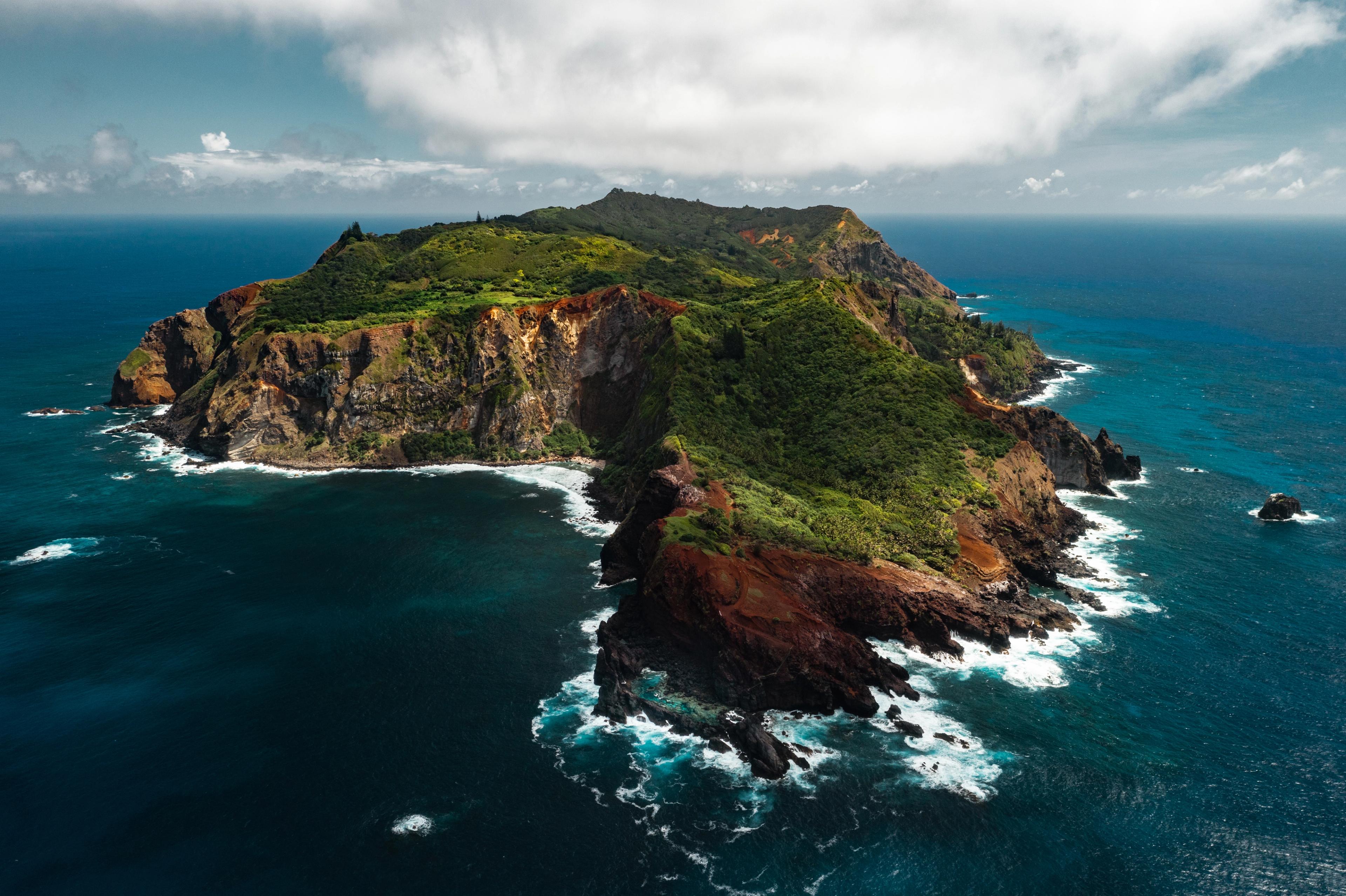
Many Pacific islands are described as remote, but Pitcairn’s isolation is in a category of its own. It sits far from major airports, far from neighboring population centers and far from the everyday pathways of travel. That distance has protected its distinct identity while also making life there demanding.
For visitors, this remoteness creates a rare sense of encounter. Pitcairn is not a place that can be easily added to a standard itinerary. It is a destination reached by patience, favorable seas and careful planning. The reward is a glimpse of an island where history, geography and community remain unusually intertwined.
Cruise to Pitcairn Island with Silversea
Pitcairn Island is most naturally reached by sea, and its story is inseparable from the ocean. Expedition voyages allow guests to approach the island in the same elemental way that has shaped its history for centuries, with landings dependent on local conditions and the realities of remote Pacific travel.
When conditions allow, visitors may experience Bounty Bay, Adamstown and the landscapes connected to one of the most famous maritime stories in the world. Shore experiences can bring the island’s history into focus while also revealing the practical realities of life in one of the Pacific’s most isolated communities.
Discover Pitcairn Island for yourself and explore Silversea voyages that travel deep into the remote South Pacific, where history and ocean meet at the edge of the map.